04 The storyboards kept changing
What we asked for, and what came back.
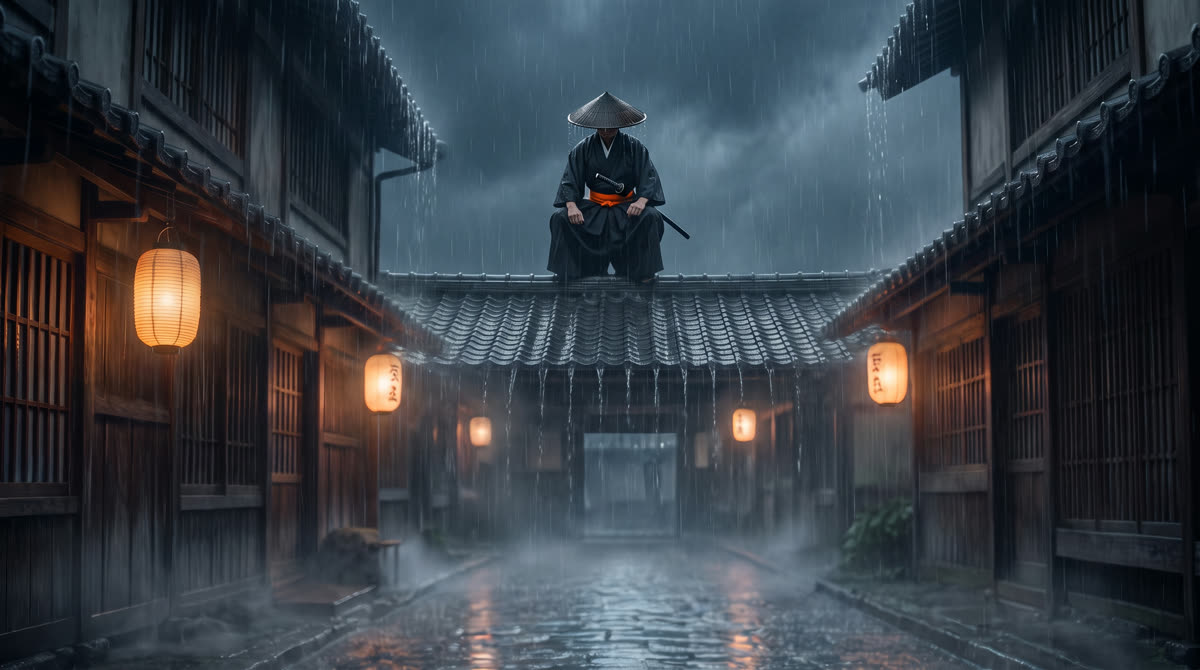
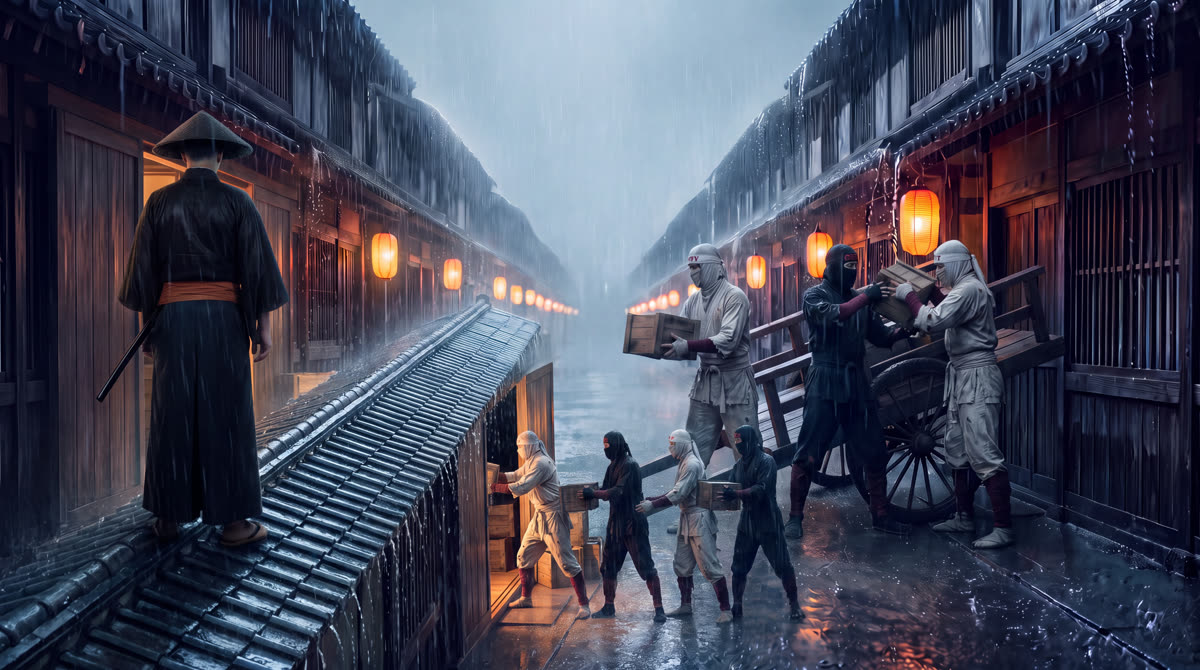
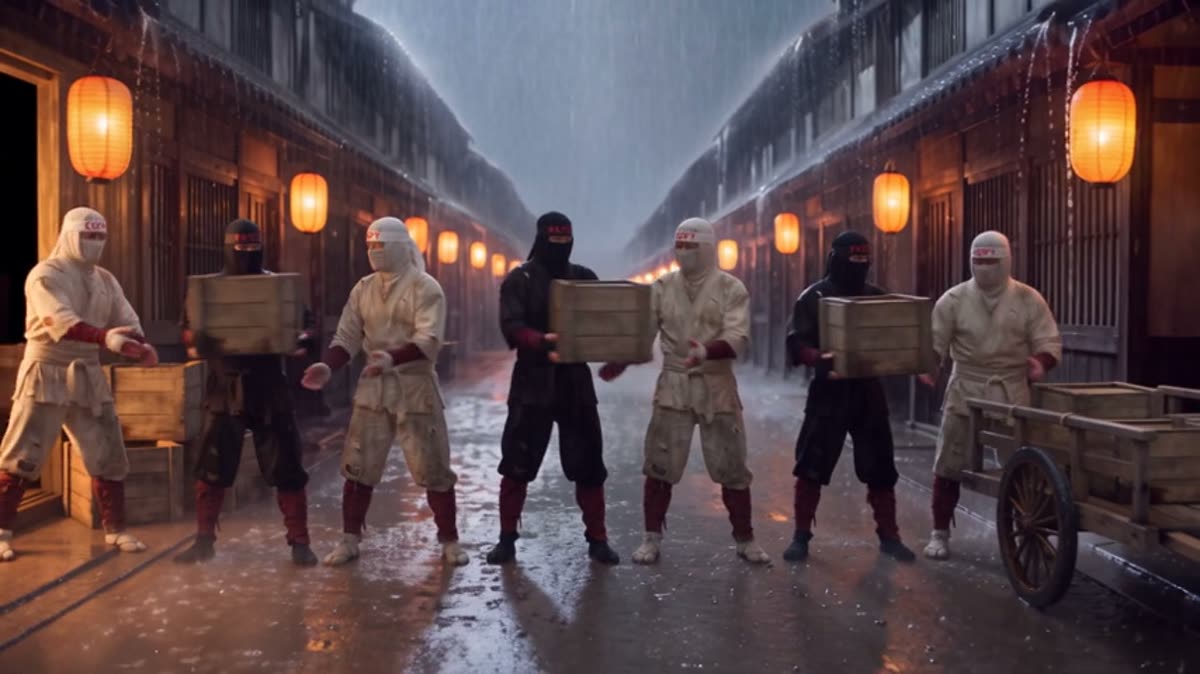
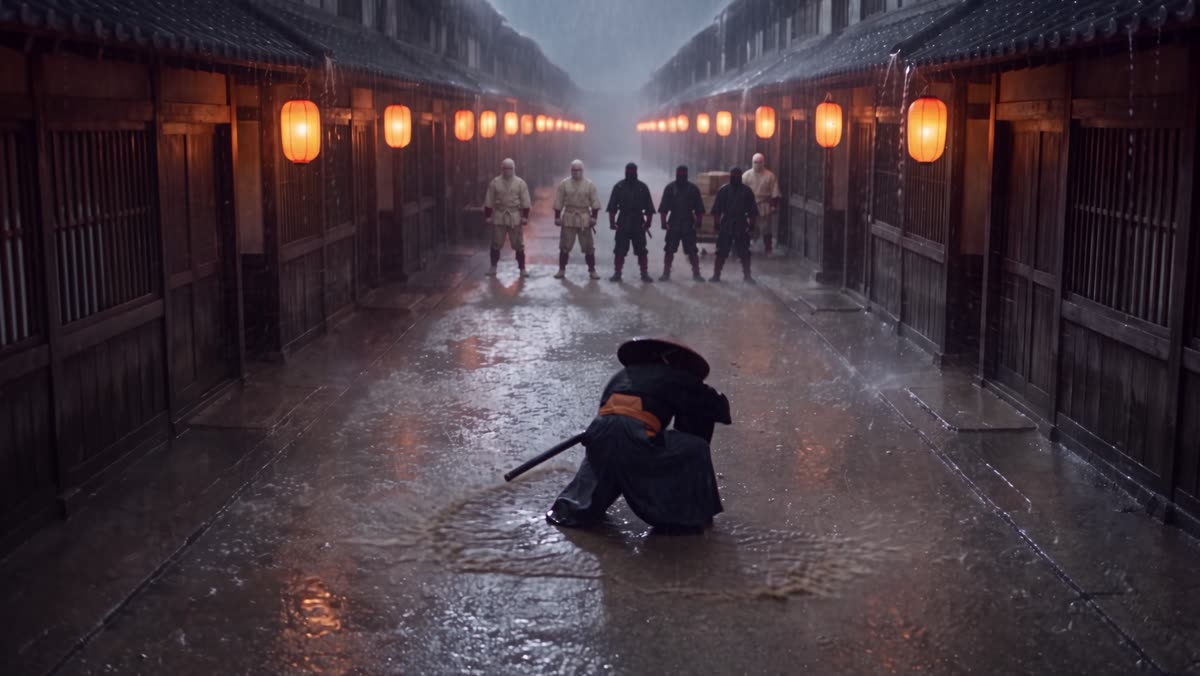
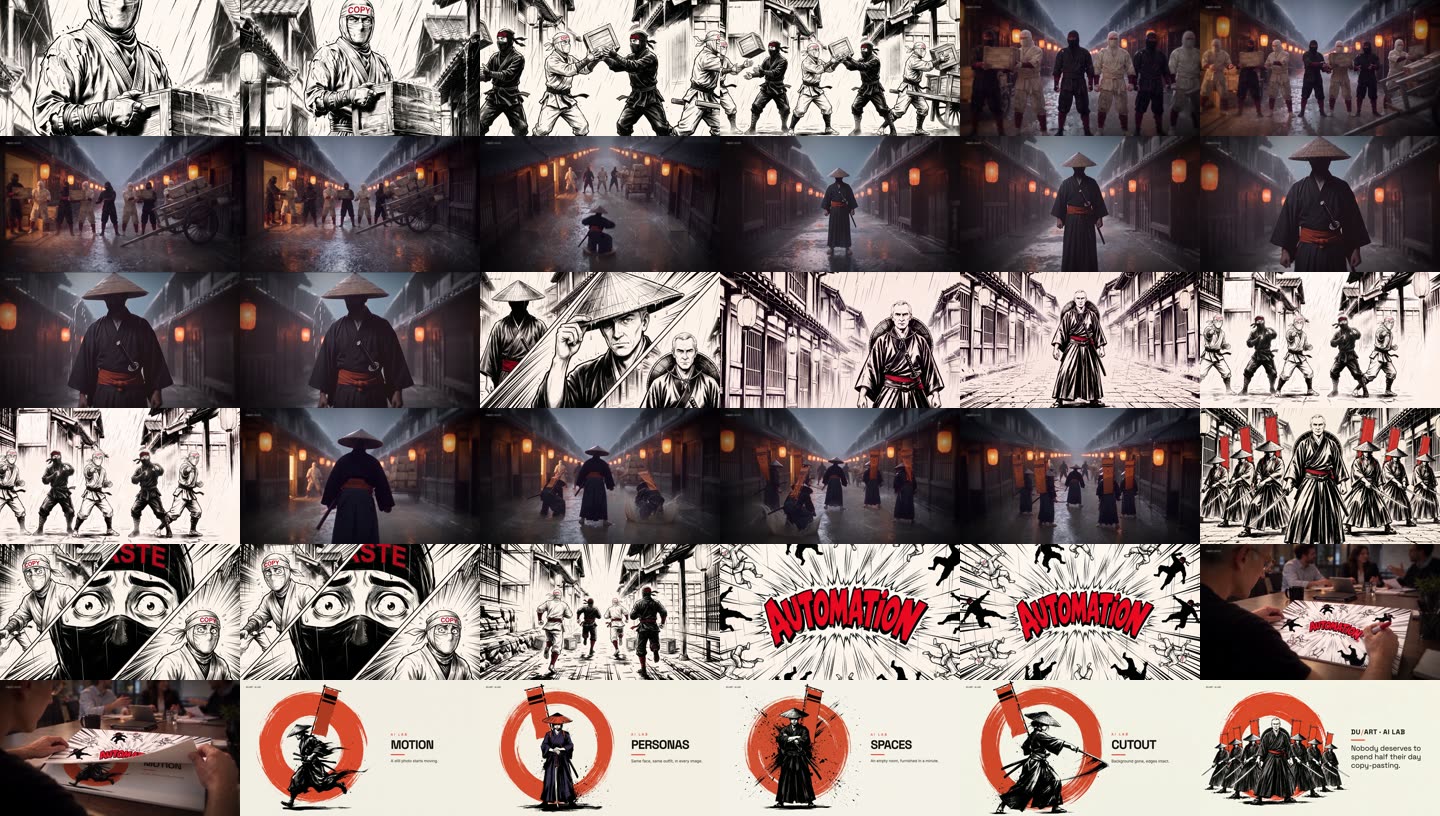
Every shot started as a drawing and a sentence. The AI had other ideas.
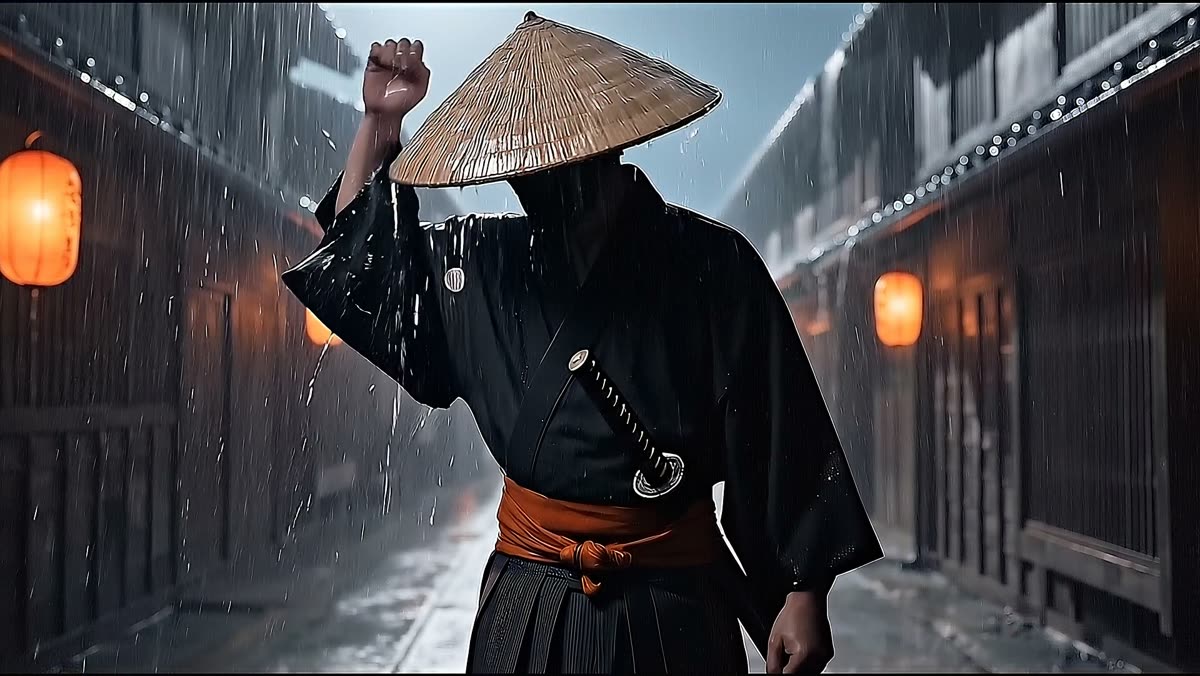
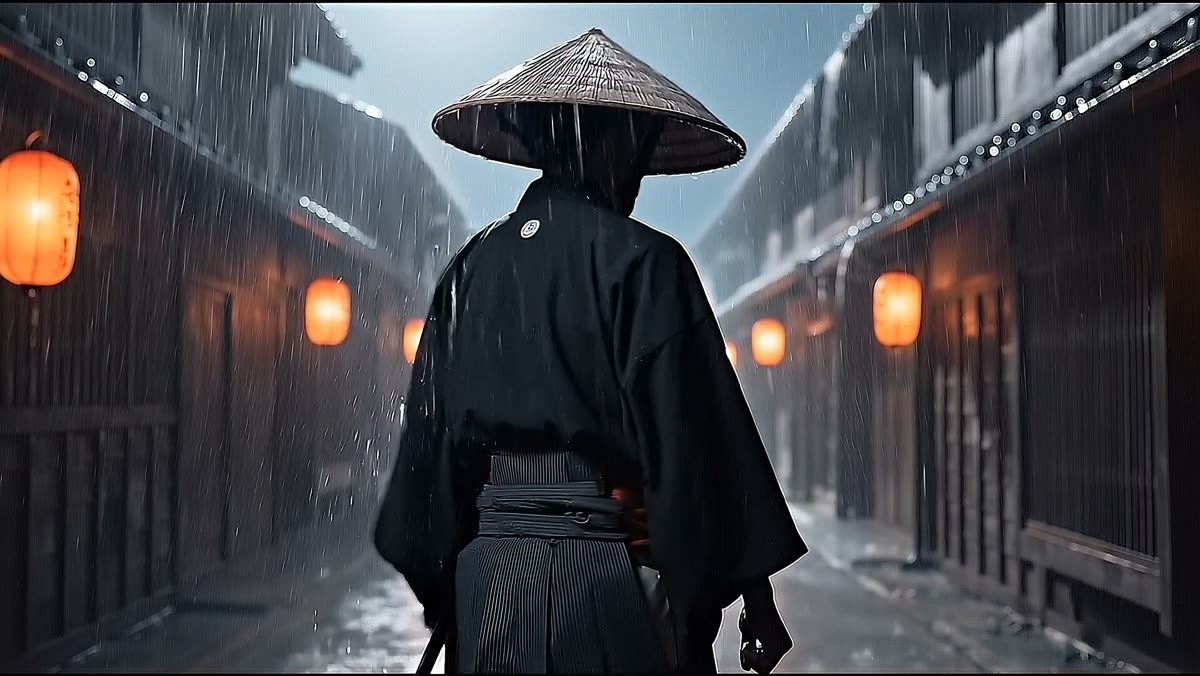
◆ Making-of · EP.08 · a silent film
Ninety seconds, no words. Ninjas with COPY and PASTE on their headbands, and a samurai who says no. It took about 31 hours over nine days, and more than once I was ready to give up. This is what it really took.
01 First, where I stand
This lab is about automation. Never against creativity, and never against design.
I always say that first, because it's the part people get wrong. I automate the repetitive work so there is more time for the part only a person can do. Nobody should spend their day copy-pasting.
This film was different. There was very little automation in it. It was learning, creativity, and in the end, mostly persistence.
02 The numbers
Counted from the working sessions themselves, not from memory. The real total is higher: it doesn't include the hours alone in the video editor, or the waiting.
03 What YouTube doesn't show you
The samurai is me. From behind, the video AI accepted him. From the front, with the face completely hidden in the shadow of the hat, it refused him every time, even with no photo of me sent at all, even with a request that had worked two days before. The message was one word.
On YouTube you see stunning AI films, and most of them are sponsored by the tool they show. That's fine, but it means you can't take any of it for granted. Until you test it yourself, you don't know.
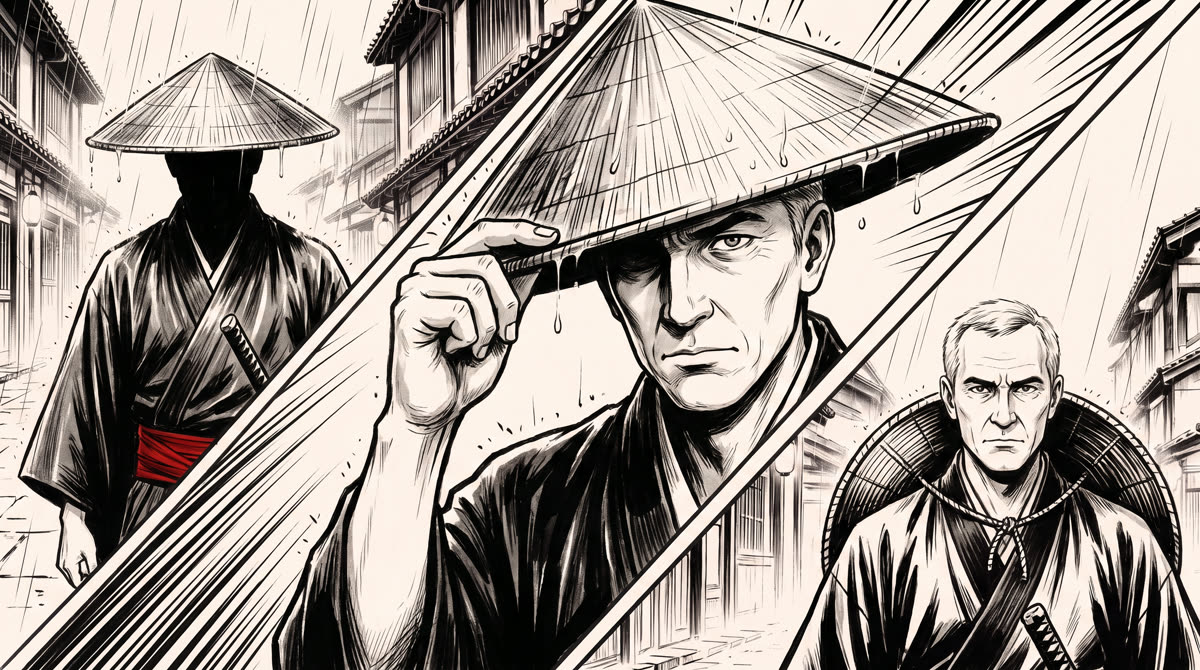
We searched for skills, read the documentation, watched the tutorials. We still moved slowly. Some walls we never got through, so we changed the film instead: the hat that the video could never take off became a drawn page.
04 The storyboards kept changing
Every shot started as a drawing and a sentence. The AI had other ideas.
05 What finally worked
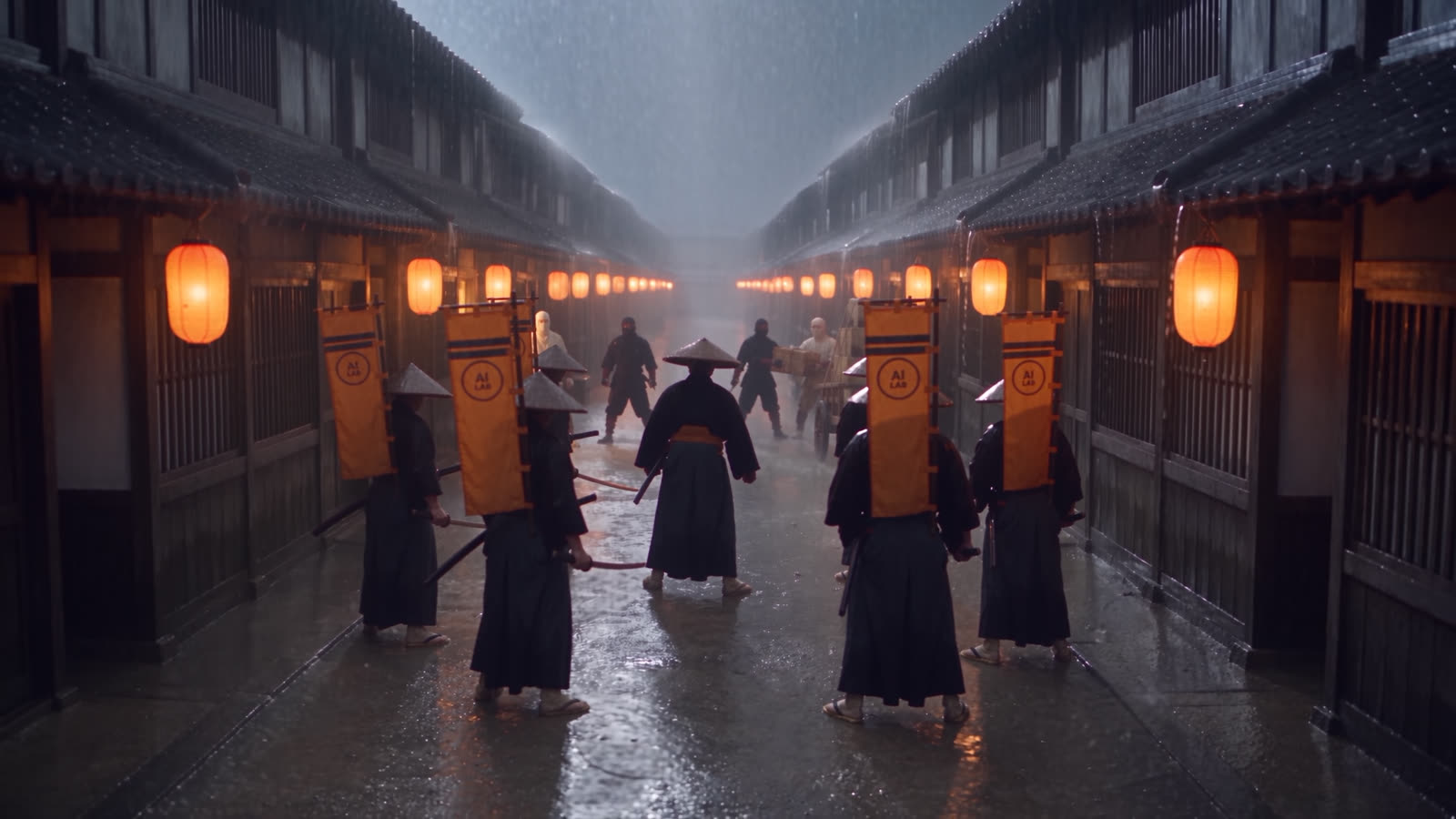
Describing a shot in a sentence wasn't enough. So every shot was first blocked out in Blender: grey boxes for the houses, coloured blocks for the people, the real camera move and the real distances. The AI then dressed that rough film. The colours are labels: white and black for the ninjas, orange for me, brown for the cart.
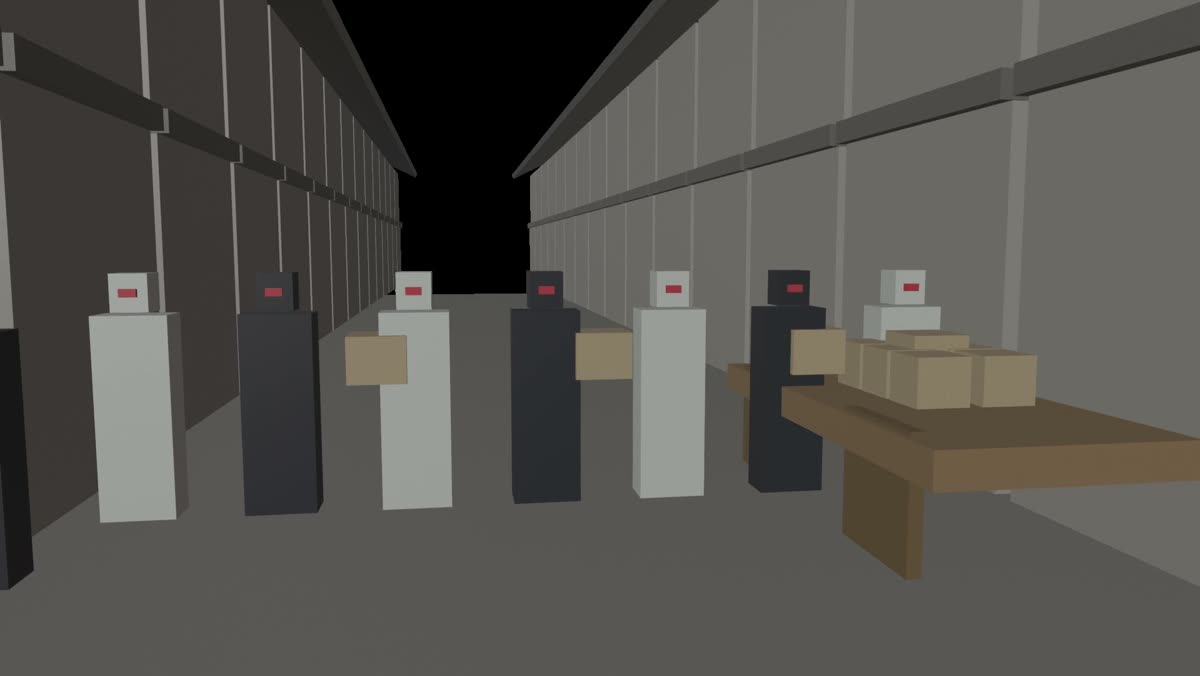
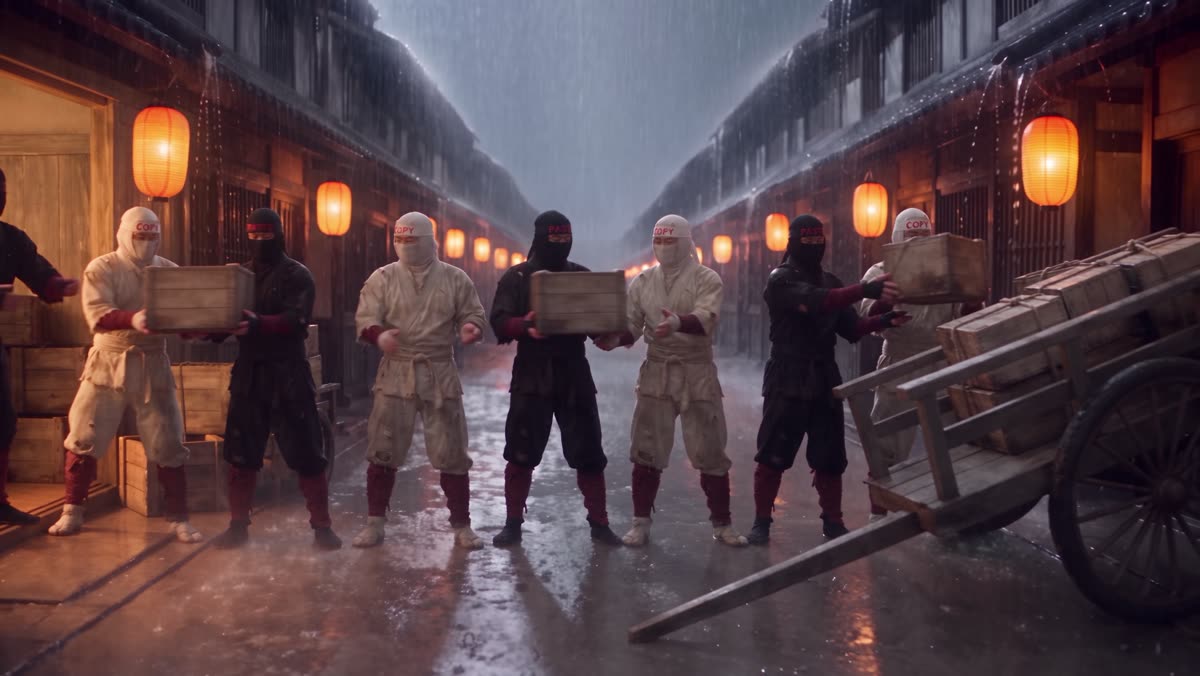
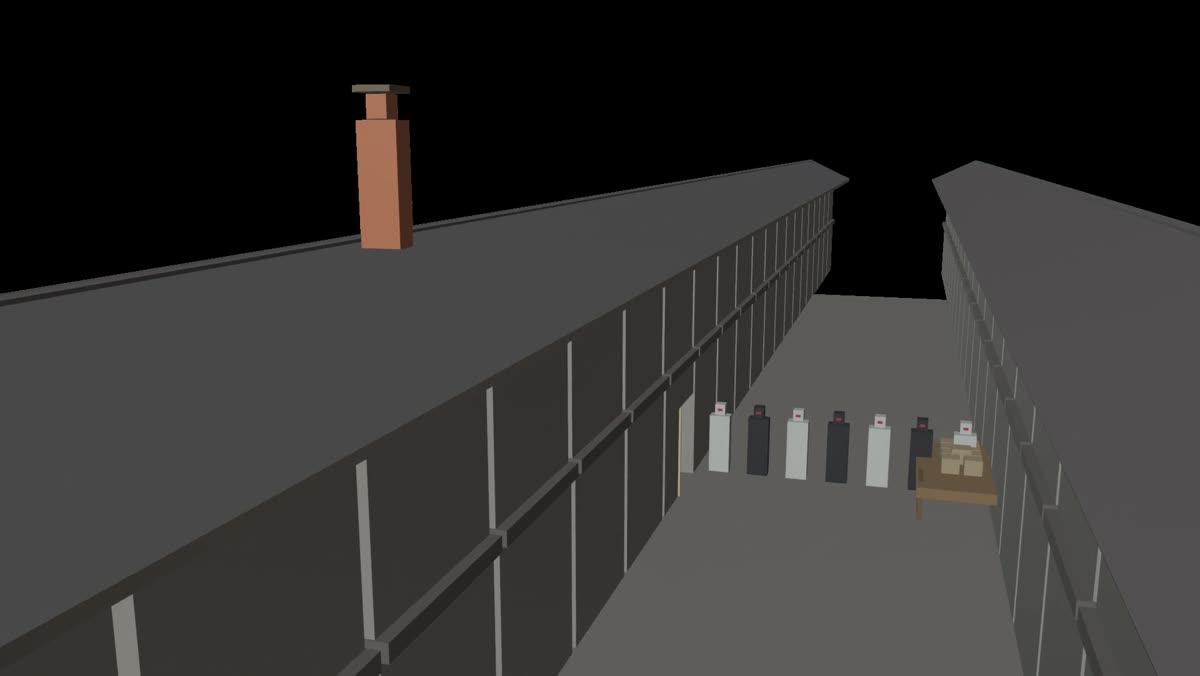
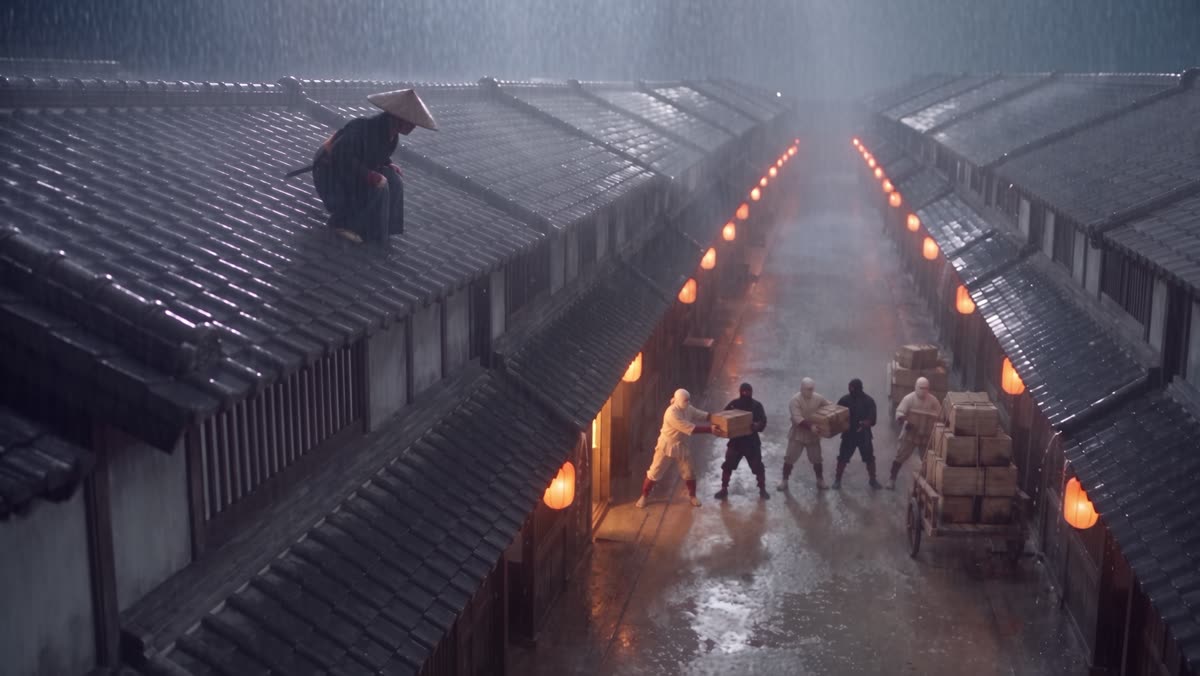
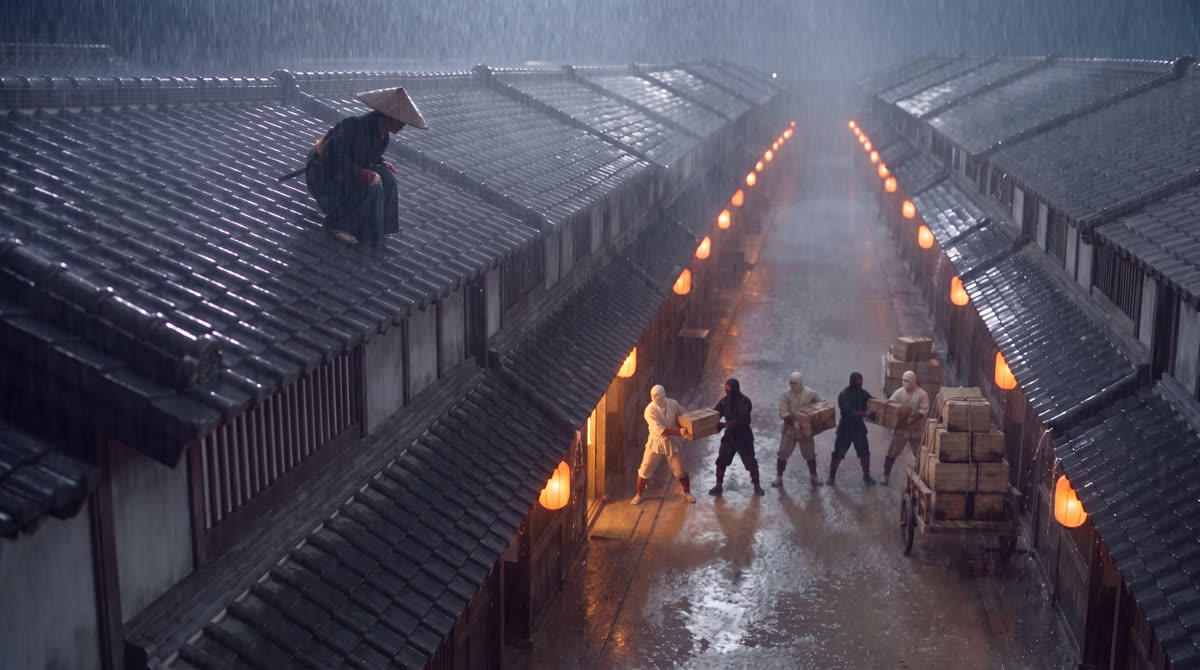
For the line of ninjas, what worked was drawing the first frame as a still image, in the right order, from the same camera, and letting the video start from it. For the hat, I gave up on video altogether: it became three drawn panels.
06 Putting it together
Everything came together in a video editor: generated shots, still drawings brought to life with slow zooms and small shakes, the way Japanese animation studios used to when money was short. Then the colour, so shots from different AIs look like one film, and the sound, built in layers: many laughs at once, many blades, one explosion.
07 The film
It's not perfect. It's finished, and it's mine.
Is it just me? Which sentence in a meeting sends you off imagining? Tell me under the video.